

Shower Systems
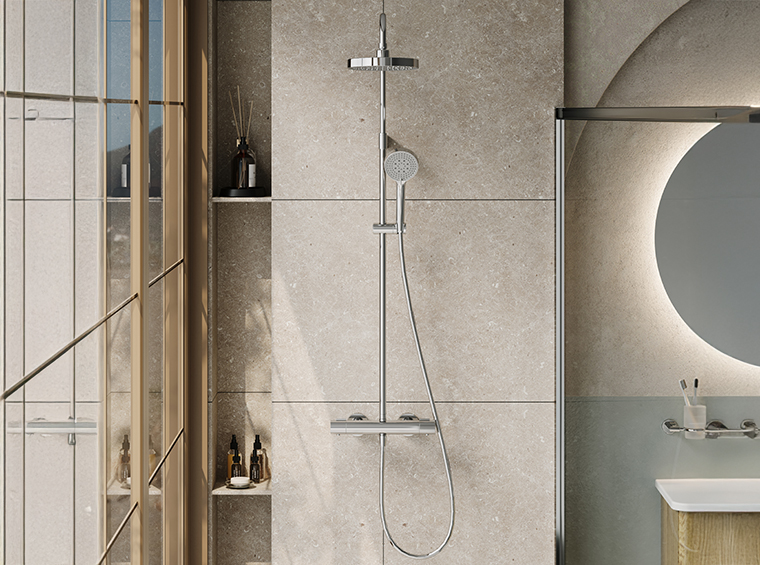
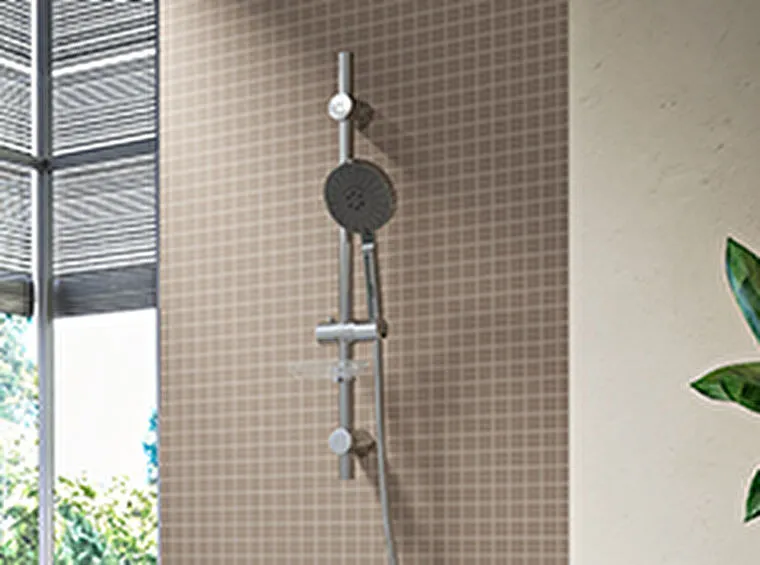
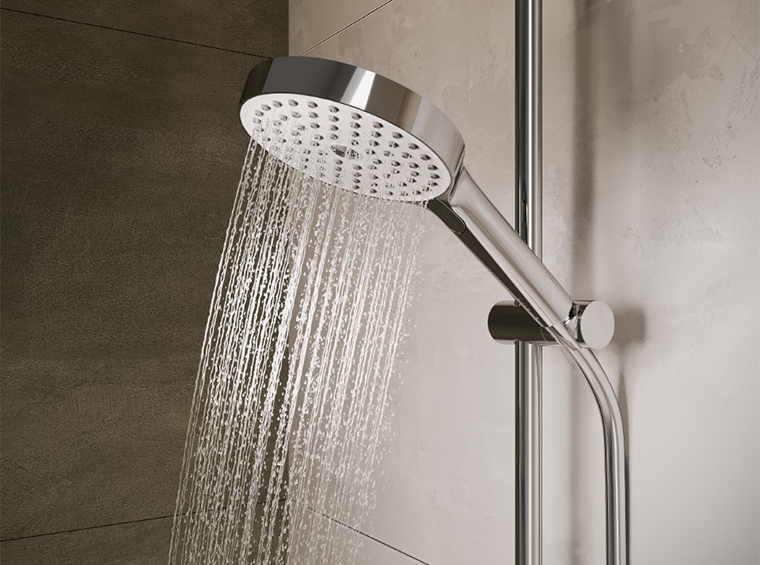
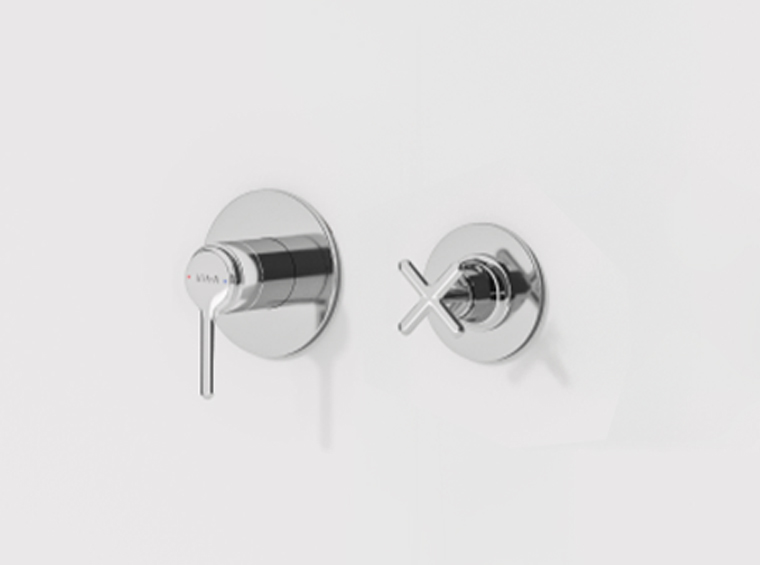


Suit Handshower


Origin Classic Headshower


Water Jet

Water Jet


Water Jet

Shower Systems
A well-planned shower area changes the way your bathroom feels every day. It affects comfort during rushed mornings, long evening showers, and even how easily the space stays clean over time. VitrA Shower Systems are designed as complete bathing setups that bring together overhead showers, handshowers, mixers, diverters, rails, and mounting components in one coordinated arrangement. Instead of sourcing separate fittings that may not match in finish or performance, you can create a balanced shower environment with compatible components built for long-term residential use.
Across urban apartments, premium villas, and family homes in India, buyers often compare bathroom shower systems based on installation style, water pressure, maintenance needs, and visual preferences. Some homeowners want concealed fittings that blend into tiled walls. Others prefer exposed shower systems because servicing and retrofitting feel more practical. VitrA supports these varied requirements with durable brassware construction, corrosion-resistant finishes, ergonomic controls, and modern shower fittings suited to humid bathroom environments. From chrome surfaces to matte black and brushed metallic tones, these complete shower solutions are built to integrate naturally into contemporary bathrooms while maintaining consistent water flow and everyday usability.
Many buyers searching for luxury shower systems India are no longer choosing only a shower head. They are looking for coordinated rain shower system layouts, efficient temperature control, easier cleaning, and fittings that continue performing reliably after years of daily use. This is where a complete shower setup becomes more valuable than standalone accessories.
Some of the most preferred VitrA Shower Systems configurations include:
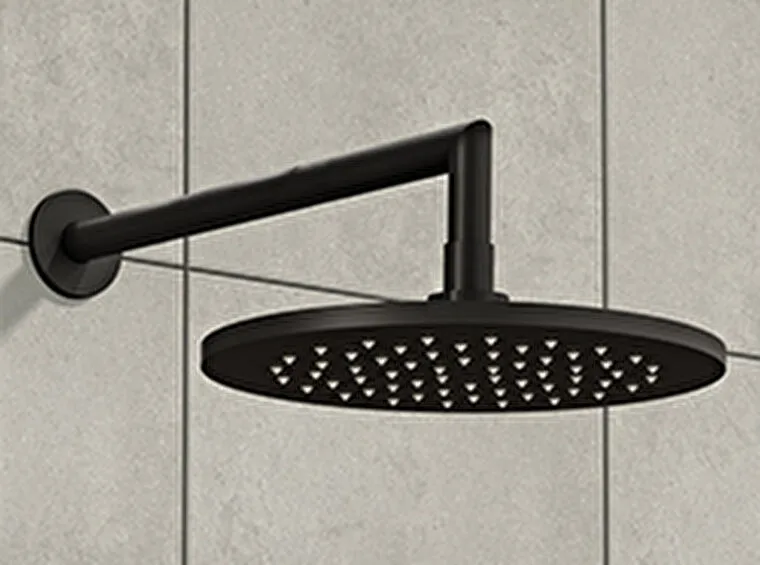
- Rain shower systems with overhead shower heads in round or square formats. Popular sizes range from compact 200 mm heads for smaller bathrooms to larger spa-style overhead showers for wider shower enclosures.
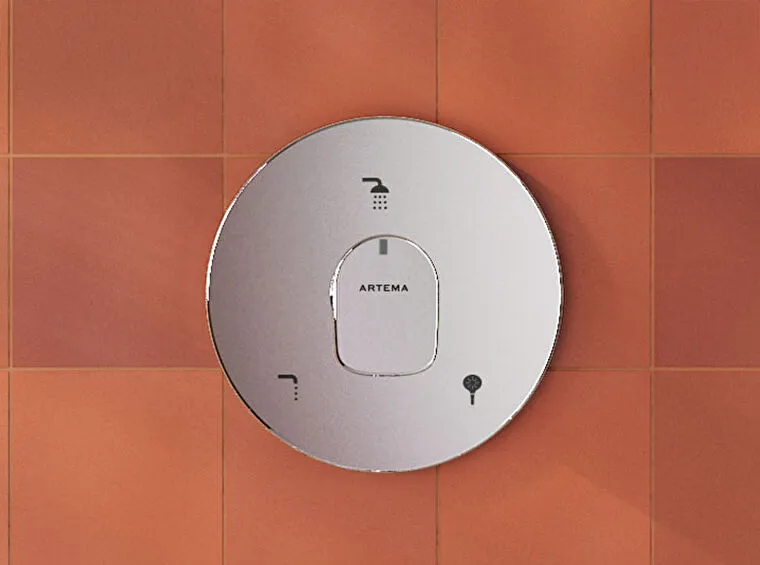
- Concealed shower systems with in-wall mixers and hidden pipework. These layouts suit modern apartments where cleaner wall surfaces help create a more open appearance.
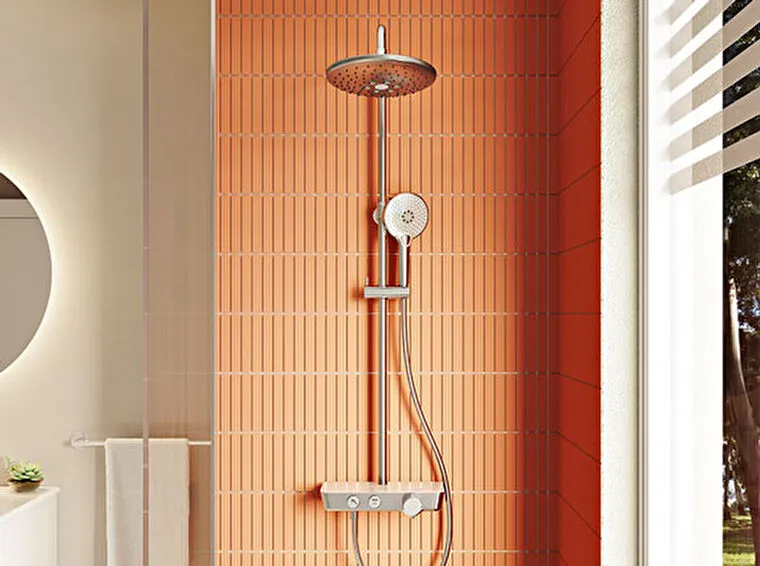
- Exposed shower systems with visible shower columns and external mixers. They simplify installation and maintenance, especially during bathroom renovations or plumbing upgrades.
- Combination shower kits with handshowers, diverters, flexible hoses, and adjustable rails. These setups support family use and improve convenience for children or elderly users.
- Wall mounted shower system arrangements compatible with geysers and standard Indian plumbing conditions, including varying water pressure levels.
You can also explore complete bathroom planning with shower systems and matching fittings through coordinated bathroom collections.
Types Of Shower Systems For Different Bathroom Layouts
Bathroom size and plumbing layout influence which shower configuration performs best in daily use. Compact city apartments usually prioritise movement space and cleaner wall lines, while larger bathrooms may allow wider overhead shower arrangements and additional fittings like body sprays or extended shower columns. Understanding the difference between concealed and exposed systems helps you choose a setup that suits your installation conditions and maintenance expectations.
Many homeowners in India compare complete shower solutions based on practical concerns rather than appearance alone. Existing plumbing depth, geyser compatibility, hard water exposure, and future servicing all play an important role. A concealed shower system may look refined, but exposed systems can simplify cartridge replacement and plumbing access years later.
When comparing configurations, these factors usually matter most:
- Bathroom size and wall depth
Smaller bathrooms often benefit from concealed installations because hidden pipework frees visual space. Larger shower areas can comfortably support wider shower columns or oversized rain shower system layouts. - Water pressure conditions
Apartments with lower pressure may perform better with medium-sized overhead showers rather than very large rainfall shower systems. Efficient nozzle engineering helps maintain stronger flow consistency. - Renovation stage
Concealed shower fittings work best during early construction or full bathroom remodelling. Exposed systems are easier to retrofit without extensive wall breaking. - Maintenance accessibility
Exposed shower systems simplify servicing because valves and pipe connections remain accessible. Concealed systems require quality installation planning with service access points. - Family usage requirements
Homes with children or elderly users often prefer adjustable handshowers, thermostatic mixers, and ergonomic controls for safer daily operation.
VitrA Shower Systems are developed with long-term usability in mind. Brass body construction improves structural durability, while corrosion-resistant coatings help preserve the finish in humid environments. Chrome remains a widely preferred option because it reflects light well and is easier to pair with existing bathroom fittings. Matte black shower fittings suit contemporary interiors with darker stone textures and monochrome palettes. Brushed metallic tones create a softer appearance that hides fingerprints and water marks more effectively.
Different bathroom layouts also influence shower column height, rail positioning, and overhead shower arm length. Ceiling height becomes especially important when installing a rain shower system because the water should fall naturally without splashing excessively in compact shower enclosures.
Rain Shower Systems With Overhead Showers
A rain shower system creates a wider and softer water flow compared to standard handshowers. Water is distributed evenly through multiple nozzles positioned across a larger shower head surface, which helps create more comfortable full-body coverage. In Indian homes, overhead rain shower layouts are especially popular in master bathrooms, premium apartments, and hotel-inspired shower spaces where users want a calmer bathing experience.
The size of the overhead shower directly affects water distribution. Smaller 200 mm or 250 mm heads suit compact bathrooms and moderate pressure systems. Larger overhead rain shower models above 300 mm work best in bathrooms with stable pressure support and sufficient movement area. Ceiling height also matters. Standard residential installations generally perform comfortably when the shower head is positioned around 2000 to 2200 mm above floor level.
Popular rain shower system formats include:
- Round overhead showers
These create softer visual lines and work well with curved basins, rounded mirrors, or chrome bathroom accessories. - Square shower heads
Square layouts often suit modern geometric interiors and contemporary wall tiles with linear patterns. - Stainless-steel overhead showers
Stainless steel improves durability and resists corrosion in humid conditions. It also maintains surface quality during long-term use. - ABS shower heads with silicone nozzles
Lightweight ABS construction supports easier handling, while silicone nozzles simplify mineral deposit removal in hard water regions. - Multi-function shower kits
Many complete shower solutions combine overhead showers with handshowers and diverters for greater flexibility.
Hard water is a common concern in several Indian cities. Mineral buildup gradually blocks nozzles and reduces water flow if cleaning is ignored. Silicone nozzles simplify maintenance because deposits can usually be removed manually during regular cleaning. Using mild descaling solutions every few weeks also helps preserve water consistency and mixer performance.
Luxury shower systems India buyers often choose rainfall shower system setups because they deliver broader coverage without requiring complex operation. VitrA Shower Systems support this everyday comfort through coordinated fittings engineered for residential reliability and consistent water flow.
Concealed Shower Systems For Modern Bathrooms
Concealed shower systems are widely preferred in modern bathrooms because they reduce visible pipework and create cleaner wall surfaces. Instead of external plumbing connections, the mixer body and water distribution components are installed inside the wall, leaving only control plates, shower heads, and handles visible. This layout supports a more spacious appearance, especially in compact urban apartments where visual simplicity matters.
A concealed shower system also improves movement space within smaller shower areas. Since fewer external fittings project from the wall, the shower zone feels less crowded. Matte black concealed shower fittings are increasingly selected for contemporary interiors with stone-textured tiles and darker palettes, while chrome finishes continue to suit brighter bathrooms with reflective surfaces.
Before choosing concealed installations, homeowners should understand these practical points:
- Installation planning matters early
Hidden plumbing requires proper wall depth and professional installation during construction or renovation stages. - Service access should not be ignored
Quality concealed systems include accessible cartridge points for future maintenance without damaging tiled walls. - Water pressure compatibility affects performance
Overhead shower size and mixer selection should match available pressure levels for smoother operation. - Matching accessories improve consistency
Coordinated towel rails, mixers, handshowers, and flush plates help maintain visual continuity across the bathroom. - Brass valve quality influences longevity
Durable brass construction supports long-term resistance against corrosion and frequent daily use.
Modern concealed systems can still support multi-function use. Many layouts include overhead showers, handshowers, diverters, and adjustable spray controls within the same installation. Pair concealed installations with built-in bath/shower mixers for cleaner wall aesthetics.
Moisture resistance also affects finish durability. Bathrooms with limited ventilation expose fittings to continuous humidity, which makes corrosion-resistant coatings particularly important. VitrA Shower Systems are developed for long-term residential conditions, helping maintain finish quality and ergonomic usability over time.
Features To Compare Before Buying A Shower System
Choosing the best shower system involves more than selecting a preferred finish or overhead shower shape. Daily comfort depends on water pressure consistency, temperature control, cleaning convenience, and component durability. Buyers researching bathroom shower systems in India often compare shower kits based on installation budget first, but long-term maintenance and usability usually become more important after regular use begins.
Thermostatic shower mixers are increasingly preferred in family homes because they help maintain stable water temperature even when pressure fluctuates elsewhere in the house. This becomes particularly useful in households with children or elderly users, where sudden temperature changes can feel uncomfortable or unsafe. Pressure-balancing systems also support smoother water delivery when multiple taps are used simultaneously.
Important features to compare before selecting modern shower fittings include:
- Thermostatic temperature control
Maintains more stable water temperature and reduces sudden hot or cold fluctuations during use. - Pressure balancing technology
Supports consistent flow performance in homes where pressure varies between hot and cold water lines. - Silicone anti-limescale nozzles
Help minimise mineral blockage and simplify cleaning in hard water regions. - Brass body construction
Brass mixers and diverters generally offer better corrosion resistance and longer service life than lightweight alternatives. - Multi-function handshowers
Adjustable spray patterns improve flexibility for rinsing, cleaning, and family use. - Finish durability
Chrome, matte black, and brushed metallic coatings should resist moisture, fingerprints, and daily cleaning products. - Hose flexibility and strength
Reinforced hoses improve movement comfort while reducing twisting or cracking over time.
Flow control technology is also becoming increasingly relevant in residential projects. Precise nozzle engineering helps optimise flow distribution without making the shower feel weak. In apartments with moderate pressure systems, this balance can improve overall comfort at a steady flow rate.
Another factor buyers often overlook is cartridge quality. The internal cartridge regulates water flow and temperature movement inside the mixer. Better cartridge engineering generally improves handle smoothness and reduces leakage risks over long-term use. VitrA has built a strong reputation around engineering-focused bathroom products designed for reliable daily performance rather than short-term visual appeal alone.
Finish selection should also align with bathroom materials and cleaning habits. Chrome reflects more light and pairs easily with most bathroom palettes. Matte black surfaces create stronger contrast but may require more frequent wiping in areas with hard water spotting. Brushed finishes hide fingerprints more effectively and complement stone-inspired tiles or textured wall surfaces.
Complete shower kits also simplify product coordination during renovation projects. Instead of matching separate components individually, buyers can select integrated shower systems where mixers, rails, handshowers, and overhead units are already designed to work together aesthetically and technically.
A carefully selected shower setup influences comfort every single day. Whether you are renovating a compact apartment bathroom or planning a larger premium space, VitrA Shower Systems help simplify the process with coordinated fittings, durable brassware construction, and finishes developed for long-term residential use. Temperature stability and flow control can be improved with thermostatic mixers that support more consistent everyday performance.
Thermostatic Shower Systems And Temperature Control
Thermostatic shower systems are designed to maintain a more stable water temperature during use, even when pressure fluctuates elsewhere in the plumbing system. This technology helps reduce sudden bursts of hot or cold water, improving comfort and supporting safer operation in family bathrooms.
In homes where multiple taps or appliances are used at the same time, thermostatic controls help maintain balanced water flow and temperature consistency. This becomes especially useful in larger households, apartments with varying pressure levels, or bathrooms connected to geysers and mixed plumbing systems.
Modern thermostatic mixers also improve convenience because users do not need to repeatedly adjust temperature settings during each shower. Many systems include safety stop functions that help prevent accidental overheating, making them particularly suitable for children and elderly users.
When combined with overhead showers, handshowers, and coordinated diverter controls, thermostatic systems support a smoother and more refined showering experience while helping improve flow consistency and long-term usability.
Frequently Asked Questions About Shower Systems
Which Type Of Shower System Is Best For Low Water Pressure?
For homes with lower water pressure, exposed mixer systems with smaller overhead shower heads usually perform better than oversized rainfall models. Pressure-balancing mixers and precise nozzle design can help maintain a more consistent flow. Checking compatibility with your water pump or geyser setup before installation is recommended.
Are Concealed Shower Systems Difficult To Maintain?
Concealed systems are generally easy to maintain if installed correctly with accessible service points. Most routine servicing involves replacing cartridges or cleaning shower heads rather than opening walls. Choosing quality brass valves and compatible spare parts helps reduce long-term maintenance issues.
How Often Should A Shower Head Be Cleaned In Hard Water Areas?
In hard water regions, cleaning every few weeks helps prevent mineral buildup that can block nozzles and reduce water flow. Silicone nozzles are easier to maintain because deposits can usually be removed by hand. Periodic descaling also extends the life of mixers and handshowers.
What Is The Difference Between A Rain Shower And A Regular Handshower?
A rain shower provides wider water coverage from an overhead position for a softer and more even flow experience. A handshower offers more flexibility for targeted rinsing, cleaning the shower area, or family use. Many modern bathroom setups combine both options in one system for convenience.


