

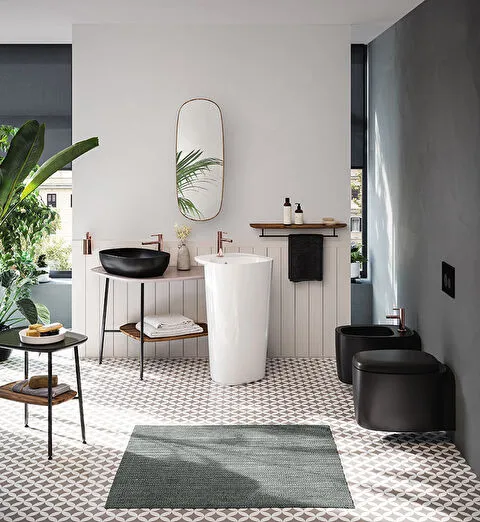

Frequently Asked Questions about Bathroom Sanitaryware
Bathroom Sanitaryware
A bathroom is one of the most frequently used spaces in any home, which makes sanitaryware selection more important than many homeowners expect. The right Bathroom Sanitaryware supports daily comfort, simplifies cleaning routines, and improves how efficiently the space works over time. In Indian homes, factors such as water pressure, humidity, plumbing layouts, apartment size, and family usage patterns directly affect which products perform best. VitrA Bathroom Sanitaryware collections are developed with these real-life requirements in mind, combining precision ceramic manufacturing, hygienic surfaces, and modern installation compatibility for residential and commercial environments.
Whether you are planning a compact apartment bathroom in Mumbai, a family bathroom in Bengaluru, or a hospitality project in Delhi, choosing suitable bathroom fittings and fixtures helps create a space that remains practical for years. From ceramic sanitaryware and wall-hung toilets to countertop basins and dual flush sanitaryware systems, every detail influences maintenance, hygiene, and long-term durability. VitrA focuses on surfaces that resist stains, flushing systems designed for controlled flush volumes, and coordinated collections that support a balanced bathroom layout without unnecessary complexity.
Choosing The Right Bathroom Sanitaryware For Indian Homes
Selecting Bathroom Sanitaryware for Indian households often starts with understanding how the bathroom will be used every day. A guest bathroom has different requirements than a shared family bathroom. Apartments with limited square footage usually benefit from compact layouts, while larger homes may prioritize concealed systems and coordinated premium bathroom products. Plumbing access, drainage slope, and water pressure also influence which installations work efficiently over time.
Humidity and hard water conditions are common across many Indian cities. Because of this, ceramic quality and easy-clean glazing become more than aesthetic details. Low-porosity ceramic sanitaryware surfaces reduce stain absorption and simplify maintenance, especially in regions where mineral deposits build up quickly.
Common Bathroom Sanitaryware categories used in Indian homes include:
- Wall-hung toilets with concealed cistern systems that create more visible floor area and simplify mopping in compact bathrooms.
- Close-coupled toilets designed for practical installation in renovation projects with existing plumbing lines.
- Countertop washbasins paired with vanity units for larger bathrooms requiring additional storage space.
- Wall-mounted washbasins suitable for apartments, powder rooms, and family bathrooms with limited movement space.
- Sanitaryware systems featuring dual-flush technology with two selectable volumes.
VitrA Bathroom Sanitaryware collections are designed to support multiple installation styles. Several models are compatible with concealed systems that help organize pipework behind the wall, creating a cleaner appearance without compromising service access. This approach is particularly useful in contemporary urban apartments where every centimeter matters.
When comparing best sanitaryware brands, homeowners often focus on appearance first. In practice, long-term performance matters just as much. A properly glazed ceramic surface resists discoloration, remains easier to clean, and maintains its finish despite regular use. This becomes especially important in bathrooms exposed to strong cleaning products, fluctuating temperatures, and frequent moisture.
Practical Planning Before Installation
Before purchasing Bathroom Sanitaryware, it helps to evaluate:
- Bathroom dimensions and door clearance for comfortable movement.
- Existing plumbing positions to reduce unnecessary renovation work.
- Water pressure levels that may affect flushing performance.
- Cleaning accessibility around WC pans, basins, and corners.
- Storage requirements for family bathrooms with daily high usage.
Homeowners increasingly choose collections that support easier maintenance rather than overly decorative layouts. This shift has also increased demand for rimless toilets, floating fixtures, and concealed installations that improve hygiene access.
For coordinated bathroom planning, you can also explore compatible toilets and WC options through toilets.
Types Of Toilets And WC Pans Available
Toilet selection has a major impact on bathroom comfort, cleaning routines, and visual openness. Different WC pan types are designed for different plumbing layouts, room sizes, and maintenance preferences. In modern Indian homes, wall mounted systems and compact installations are becoming more common due to urban apartment layouts and changing design priorities.
Wall hung toilet models are installed using concealed cistern systems hidden behind the wall. Since the toilet does not touch the floor, the bathroom appears more open and cleaning underneath becomes easier. Many homeowners initially question durability, but properly installed concealed frames are engineered to support substantial load capacities, often exceeding 400 kg under standard load testing conditions.
Close coupled toilet systems remain popular because they are straightforward to install and work well with traditional plumbing arrangements. These models integrate the cistern directly with the WC pan, making them practical for renovation projects and family bathrooms requiring quick installation.
Popular toilet configurations include:
- Wall-hung toilet models for compact bathrooms, premium apartments, and hospitality projects.
- Back-to-wall pans that conceal pipework while maintaining floor-mounted support.
- Close coupled toilet systems for accessible installation and maintenance.
- Compact bathroom toilet models designed for narrow layouts and powder rooms.
- Dual flush toilet systems with separate flush volumes.
Rimless toilets have gained attention in residential projects because they reduce hidden areas where residue and bacteria may accumulate. Water flows more evenly around the bowl, supporting better flushing hygiene while simplifying cleaning routines.
VitrA Bathroom Sanitaryware collections also focus on ergonomic comfort. Seat height, bowl depth, and flushing efficiency influence user experience more than many buyers realize during the planning stage. High-quality ceramic finishes help maintain a cleaner appearance over time, particularly in bathrooms with hard water exposure.
Installation And Maintenance Considerations
Many homeowners hesitate between floor-standing and wall-hung products because of repair concerns. Concealed systems today are generally designed with service panels that allow access to flushing components without breaking wall structures. This improves long-term practicality for apartments and commercial properties.
Noise reduction also matters in shared living spaces. Modern concealed cistern systems often operate more quietly than exposed installations, which is useful for hotels, guest bathrooms, and family apartments.
To compare installation styles and concealed solutions, visit wall hung toilets.
Bathroom Sanitaryware Washbasin Styles And Installation Options
Washbasins shape how comfortably a bathroom functions throughout the day. The correct basin depth, installation type, and countertop compatibility can significantly improve usability in family bathrooms and compact apartments. VitrA Bathroom Sanitaryware basin collections are developed to support different layouts while maintaining coordinated proportions with furniture and brassware.
Countertop basin models are commonly used in larger bathrooms because they create additional storage opportunities beneath the counter. They also allow greater flexibility when pairing with tall mixers and furniture units. In compact bathrooms, wall mounted washbasin options help maintain movement space while simplifying floor cleaning.
Several modern washbasins are designed with splash reduction in mind. Basin depth and inner slope angles help control water movement during daily use, especially in family bathrooms with frequent handwashing and grooming activities.
Popular wash basin designs include:
- Countertop basin models with rounded, oval, or rectangular silhouettes for larger bathrooms.
- Under counter basin installations that create a cleaner countertop appearance with easier wiping access.
- Wall mounted washbasin solutions suited for apartments and compact layouts.
- Pedestal sinks that conceal plumbing while supporting traditional bathroom planning.
- Designer basin India collections developed for hospitality and premium residential spaces.
Ceramic coatings play an important role in maintenance convenience. Smooth glazed surfaces reduce water marks and help prevent soap residue from attaching strongly to the basin. This becomes especially useful in areas with mineral-heavy water conditions.
VitrA coordinates many Bathroom Sanitaryware collections with matching mixers, mirrors, and furniture solutions. This helps create visual continuity without requiring homeowners to combine unrelated products from multiple manufacturers.
Basin Selection Based On Bathroom Usage
A shared family bathroom often benefits from wider basin dimensions between 60 cm and 120 cm, particularly when paired with integrated storage. Smaller guest bathrooms may perform better with slim-depth basins around 35 cm to 45 cm deep.
When selecting bathroom sink styles, consider:
- Faucet compatibility and spout height.
- Splash control for children and family use.
- Countertop space for daily accessories.
- Cleaning access around edges and corners.
- Storage integration beneath the basin.
For coordinated basin collections and installation ideas, explore washbasins.
Bathroom Sanitaryware Materials, Surface Technology, And Durability
Material quality directly affects how Bathroom Sanitaryware performs after years of use. Premium ceramic bathroom fixtures are manufactured using dense vitreous china formulations and high-temperature firing processes that strengthen durability while reducing surface porosity. This low-absorption structure helps resist stains, discoloration, and moisture penetration.
Many homeowners worry about ceramic cracking. In reality, properly manufactured ceramic sanitaryware is highly durable under standard residential conditions. Most damage occurs due to impact from heavy objects or improper installation rather than daily use. High-density ceramic structures maintain their form even in humid bathrooms exposed to frequent cleaning cycles.
Key material and surface characteristics include:
- Vitreous china sanitaryware with dense ceramic composition for reduced water absorption.
- Easy clean toilet surface glazing that helps limit residue buildup.
- Scratch resistant bathroom sink finishes developed for frequent daily use.
- Anti-bacterial bathroom products with smoother hygienic surfaces.
- Durable sanitaryware engineered for residential and hospitality environments.
Quality glazing matters particularly in Indian regions with hard water. Inferior surfaces can gradually lose shine or accumulate visible mineral marks. Premium ceramic bathroom fixtures maintain smoother finishes longer, making regular maintenance easier.
VitrA Bathroom Sanitaryware products are manufactured with precision ceramic processes designed for long-term consistency. Smooth glazed layers support hygiene while reducing microscopic surface irregularities where stains may collect. Several products are also developed for compatibility with concealed systems and modern installation standards used in contemporary projects.
Cleaning And Long-Term Maintenance
Daily maintenance does not require aggressive chemicals. Soft cloths and non-abrasive bathroom cleaners usually provide sufficient cleaning performance for ceramic sanitaryware surfaces. Harsh acidic cleaners and steel wool can gradually damage glazing and reduce surface smoothness.
For long-term care:
- Wipe standing water regularly in hard water regions.
- Use mild pH-balanced bathroom cleaners.
- Avoid impact from heavy metal objects.
- Clean flush rims and drainage areas consistently.
- Inspect concealed systems periodically through service panels.
Many residential bathroom projects now prioritize products that remain easy to maintain rather than highly decorative surfaces requiring specialized care. This shift reflects changing homeowner expectations around practicality and hygiene.
To pair sanitaryware with coordinated fittings, explore premium bathroom brassware & faucets.
Bathroom Sanitaryware Trends For Modern Bathrooms
Bathroom planning in India has evolved significantly in recent years. Urban apartments, hospitality projects, and premium residences increasingly prioritize layouts that feel organized, easier to clean, and visually lighter. This has increased demand for space saving bathroom fixtures and floating installations.
Wall-mounted products remain one of the strongest contemporary bathroom interiors preferences because they create cleaner floor visibility. Concealed cistern systems, floating vanities, and compact storage units support this approach while helping bathrooms appear less crowded.
Current modern bathroom trends India homeowners frequently prefer include:
- Matte sanitaryware finishes paired with neutral wall tiles.
- White ceramic surfaces combined with black accent fittings.
- Compact layouts with integrated storage units.
- Space saving bathroom fixtures for apartments and smaller homes.
- Sanitaryware systems with dual flush technology.
- Touch-free flushing solutions in hospitality and commercial projects.
Minimal bathroom design trends also focus heavily on maintenance convenience. Homeowners increasingly choose products with smoother surfaces, fewer exposed corners, and easier cleaning access. Bathrooms are expected to remain practical over many years rather than follow short-lived decorative trends.
VitrA Bathroom Sanitaryware collections support this balance through coordinated proportions, hygienic ceramic surfaces, and compatibility with modern concealed installations. The goal is not excessive styling but creating bathrooms that continue to function comfortably with regular use.
Color And Surface Preferences
White ceramic remains the most requested finish because it reflects light effectively and works across different interior styles. Soft neutrals, warm beige tones, and matte textures are also becoming more common in premium bathroom products.
Black accent brassware and concealed flush plates are frequently used to create subtle contrast without overwhelming compact spaces. Homeowners also increasingly pair sanitaryware with coordinated mixers and accessories for visual continuity.
Discover coordinated spaces with complete bathroom collections.
VitrA Bathroom Sanitaryware collections are developed for homes, hotels, and commercial projects that require reliable ceramic quality, controlled flushing, and easier maintenance in everyday conditions. Whether you are planning a compact apartment upgrade or designing a larger contemporary bathroom, choosing coordinated sanitaryware helps simplify installation, improve hygiene access, and support long-term durability. You can explore VitrA collections to compare wall-hung toilets, washbasins, concealed systems, and compatible bathroom fittings designed for modern Indian interiors.
Bathroom Sanitaryware Maintenance And Cleaning Tips
Maintaining sanitaryware properly helps preserve ceramic finish quality, improve hygiene standards, and support long-term durability in residential and commercial bathrooms. Regular cleaning routines reduce mineral buildup, water stains, and soap residue accumulation, particularly in regions with hard water conditions.
Soft cloths, mild pH-balanced cleaners, and non-abrasive sponges are generally sufficient for daily maintenance. Aggressive chemicals and abrasive cleaning tools may gradually damage glazed ceramic surfaces over time. Consistent cleaning around flush rims, basin drains, and concealed installation access panels also helps maintain better hygiene.
Modern bathroom planning increasingly prioritizes touch-free technologies that improve sanitation while minimizing direct surface contact in frequently used areas. These systems are particularly popular in hospitality projects, commercial bathrooms, and contemporary residential spaces focused on hygiene efficiency.
Improve hygiene with touch-free control panels.
Frequently Asked Questions About Bathroom Sanitaryware
Which sanitary fixtures work best for small bathrooms?
Wall-hung toilets, compact washbasins, and concealed cistern systems are usually the best choice for small bathrooms because they free up visible floor space and make cleaning easier. Slim-depth basins and dual-flush toilets also help improve functionality without overcrowding the room.
How do you properly care for ceramic sanitaryware?
Use non-abrasive bathroom cleaners and soft cloths to protect the glazed ceramic surface. Regular cleaning helps prevent hard water stains and mineral deposits, especially in areas with high water hardness. Avoid steel wool and harsh acidic chemicals that can damage the finish over time.
What is the difference between wall-hung and floor-standing toilets?
Wall-hung toilets use concealed cistern systems and create a cleaner, more modern appearance with easier floor cleaning access. Floor-standing models are generally simpler to install and may suit renovation projects with existing plumbing layouts. Both options are available with dual flush systems.
What advantages do toilet systems with dual-flush offer?
Dual flush toilets give two selectable volumes through dual-flush technology and optimized flushing systems. They let each flush be matched to the load while maintaining effective waste removal and hygiene standards. These systems are increasingly popular in modern apartments, hotels, and commercial bathrooms.


